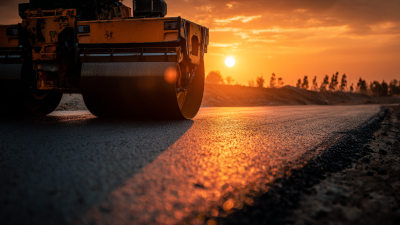
Picking the right materials for slurry surfacing really matters if you want a finish that's both durable and looks good. Basically, slurry surfacing is a mix of aggregate, asphalt emulsion, and some additives, and getting that recipe right can boost surface resilience, shield against weather damage, and even add a bit of aesthetic flair. But honestly, choosing the best stuff isn’t always straightforward — there are a ton of options out there.
Having some hands-on experience really helps when you're weighing your choices. Experts often suggest thinking about the type of surface you're working with and the external environment. For example, if you’re dealing with an area that gets a lot of rain, you'll want materials that can handle water pretty well. On the other hand, high-traffic zones need tougher aggregates that can take a beating over time.
Looking back at previous projects can also be super useful. Why did certain materials perform better than others? Reflecting on those lessons learned can help you make smarter decisions next time. Just don’t rush the process — picking the right materials really can make a big difference in how long your surfacing lasts and how much maintenance it’ll need. All in all, investing some time and thought into your choices pays off in the end, big time.

Understanding Slurry Surfacing and Its Applications
Slurry surfacing is a widely used technique in paving and roadway maintenance. It involves applying a mixture of fine aggregates, emulsified asphalt, water, and additives to surfaces. This creates a smooth and durable layer that can extend the life of existing roads. Understanding its applications is crucial for effective usage and maintenance.
One primary application is road repair. Slurry surfacing can effectively fill small cracks and surface imperfections. It improves traction, making roads safer for vehicles. However, its effectiveness may vary with weather conditions. For new constructions, slurry surfaces offer excellent waterproofing. Applying it in hot weather can lead to quicker evaporation of water, compromising the mixture's effectiveness.
Another application is on parking lots and driveways. Here, it enhances aesthetics and prolongs the surface's lifespan. Still, the choice of materials can affect the final appearance. Not all surfaces will react the same way to slurry mixtures. Monitoring the curing process is vital. If overlooked, this could lead to issues like peeling or early wear. It's essential to evaluate specific needs before deciding on slurry surfacing.
Key Properties of Ideal Slurry Surfacing Materials
When selecting slurry surfacing materials, focus on key properties that matter most. Ideal slurry materials should exhibit strong adhesion. This ensures that they bond well with the substrate, reducing the risk of delamination. Moreover, they should demonstrate excellent water resistance to withstand environmental conditions. High water resistance helps maintain surface integrity over time.
Durability is another crucial aspect. The material must endure heavy traffic and harsh weather. Look for options that provide abrasion resistance. Such materials will ensure longevity and reduce maintenance costs. A visually appealing finish is also essential. Aesthetic appeal can enhance overall property value.
Tips: Always test materials in small sections before full application. Observing how they interact with your existing surfaces is valuable. Pay attention to the manufacturer’s guidelines for mixing and application. Adhering strictly to these guidelines can mitigate potential mishaps. Lastly, seek professional consultations if you're unsure. Their experience can guide you to make informed decisions.
Key Properties of Ideal Slurry Surfacing Materials
Types of Slurry Surfacing Materials Available
Choosing the right slurry surfacing materials is crucial for optimal performance. There are various types available in the market, each with unique properties and benefits.
Polymer-modified asphalt is popular for its durability and resistance to environmental conditions. According to a recent industry report, it can extend the lifespan of pavement by 30%. This material is especially beneficial in regions with extreme weather. However, its application may require specific expertise, impacting overall project costs.
There are also cement-based slurry materials. They offer a cost-effective solution with excellent bonding properties. Their strength and longevity make them suitable for high-traffic areas. Nevertheless, these materials may not perform well under constant moisture, raising questions about their long-term reliability. Understanding the unique demands of your project helps in selecting the best option. Balancing performance with cost is essential, yet often overlooked. Each choice comes with its trade-offs, and careful consideration is necessary for sustainable results.
Factors to Consider When Choosing Slurry Materials
Choosing the right slurry surfacing materials requires careful consideration.
One key factor is the environmental conditions. Different climates impact the performance of materials.
For example, warmer climates may require more durable options.
Similarly, areas with heavy rainfall need materials resistant to water damage.
Assessing your local weather patterns helps in making informed choices.
Another important aspect is the surface type. Asphalt, concrete, and other surfaces each have unique needs.
Compatibility with existing surfaces is crucial for performance.
Additionally, consider the intended use of the surface. High-traffic areas demand materials with better wear resistance.
Evaluating these elements can guide your selection effectively.
Finally, reflect on the longevity and maintenance of materials.
Some options may seem cost-effective initially but require more frequent repairs.
It's essential to strike a balance between upfront costs and long-term durability.
Understanding these factors helps in selecting a slurry material that suits your specific needs and budget.
Evaluating Cost-Effectiveness of Slurry Materials
When evaluating the cost-effectiveness of slurry surfacing materials, several factors demand attention. According to industry reports, the average installation cost for slurry seal ranges from $0.50 to $2.00 per square foot. This pricing varies based on location and material choice. However, the long-term benefits can offset initial expenditures. Properly applied slurry can extend pavement life by up to 15 years. This longevity proves essential for budget-conscious project managers.
Analyzing life-cycle costs is crucial. The National Asphalt Pavement Association (NAPA) indicates that routine maintenance can provide better overall savings compared to full resurfacing. Regular slurry applications can reduce the need for major repairs, which can cost upwards of $10 per square foot. However, some projects might see diminishing returns if not monitored closely. The effectiveness of slurry systems can wane if surface preparation is compromised. This emphasizes the necessity for skilled contractors who understand the materials.
Environmental considerations are also significant. Eco-friendly options are often available and can lead to additional savings through reduced waste disposal costs. Engaging experienced professionals in selecting the right material can minimize mistakes. Yet, some professionals underestimate the value of assessing local environmental regulations. Understanding these factors can enhance the overall effectiveness of slurry applications while ensuring compliance and protecting the environment.
Assessing Environmental Impact of Slurry Options
When selecting slurry surfacing materials, understanding their environmental impact is crucial. Different slurry options vary significantly in composition and sustainability. Water-based slurries often have lower emissions than solvent-based counterparts. However, ingredients like additives can influence the overall environmental footprint. Evaluating these materials requires an unbiased look at their production and disposal.
Considering the lifecycle of slurry materials brings clarity. For example, some components may degrade safely, while others can leach harmful substances into soil or waterways. Research uncovers these hidden issues, providing insight into long-term effects. Local regulations can also guide choices, ensuring compliance with environmental standards.
It's essential to weigh immediate benefits against potential drawbacks. While a particular slurry may provide quick results, its environmental trade-offs should not be overlooked. Awareness of these factors fosters better decisions, ultimately leading to a more sustainable approach in construction and maintenance projects.
Best Practices for Application and Maintenance of Slurry Surfacing
When it comes to slurry surfacing, proper application and maintenance are crucial. Start by ensuring the surface is clean and free of debris. This preparation helps the slurry bond effectively. Mixing the slurry requires precision. Follow the manufacturer's guidelines closely. The consistency should be similar to pancake batter—smooth but not too runny. However, even experienced applicators can make mistakes here. A well-mixed slurry improves durability, yet many overlook this step.
After application, proper care is essential. Allow the slurry to cure adequately before exposing it to heavy traffic. This period can vary, so patience is key. Monitor for any early signs of wear. Small cracks can indicate underlying issues. It is better to address these promptly than to let them escalate. Regular inspections are vital. They help in maintaining the surface's integrity over time. Many people fail to check their surfaces regularly, which can lead to larger problems. Adopting a proactive approach to maintenance can save resources in the long run.
How to Choose the Best Slurry Surfacing Materials? - Best Practices for Application and Maintenance of Slurry Surfacing
| Material Type |
Best Use Cases |
Application Method |
Maintenance Frequency |
Expected Lifespan |
| Polymer Modified |
High-traffic areas, airports |
Spray application |
Every 1-2 years |
5-10 years |
| Latex Based |
Residential driveways, parking areas |
Roller application |
Every 2-3 years |
3-5 years |
| Asphalt Emulsion |
Commercial pavements, heavy-use roads |
Spray or squeegee |
Every 2-4 years |
4-8 years |
| Concrete Overlay |
Driveways, sidewalks |
Trowel or spray |
Every 5 years |
10-15 years |
FAQS
: Ideal slurry materials should offer strong adhesion, excellent water resistance, and durability. They need to endure heavy traffic and harsh weather.
High water resistance helps maintain the surface's integrity over time. It reduces the risk of damage from environmental conditions.
Look for materials with abrasion resistance to reduce maintenance costs. Testing small sections before full application can be beneficial.
Common types include polymer-modified asphalt and cement-based slurry materials. Each option has unique benefits and performance characteristics.
Different climates impact material performance. Warmer regions may need durable options, while rainy areas require materials resistant to water damage.
Compatibility with existing surfaces is crucial for optimal performance. Each surface type has unique needs that must be addressed.
High-traffic areas need materials with better wear resistance. Evaluating intended use is important for selecting appropriate options.
Some materials may be cost-effective initially, but require frequent repairs. Balancing upfront costs and long-term durability is essential.
Overlooking manufacturer guidelines and environmental factors can lead to poor choices. Always seek professional advice if unsure.
Aesthetically pleasing finishes can enhance overall property value. This aspect should not be ignored in the selection process.
Conclusion
Slurry surfacing is a versatile technique widely employed to enhance the durability and aesthetics of various surfaces. Understanding its applications is crucial, alongside recognizing the key properties that define ideal slurry surfacing materials, such as adhesion, flexibility, and resistance to wear. A variety of materials are available, and selecting the right one involves careful consideration of specific factors, including environmental impact, long-term cost-effectiveness, and maintenance requirements.
When choosing slurry surfacing materials, it's essential to evaluate their performance in relation to the intended application and local environmental conditions. Implementing best practices during the application process ensures optimal results and prolongs the lifespan of the surfaced area. By adhering to these guidelines, users can effectively leverage slurry surfacing to achieve sustainable and high-quality outcomes.