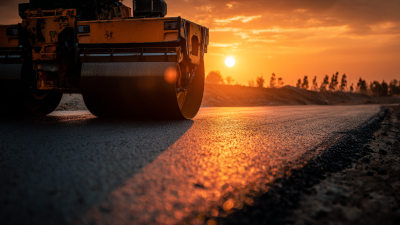
The practice of Surface Dressing is garnering significant attention in the realm of modern road maintenance due to its sustainable benefits and cost-effectiveness. According to industry reports, Surface Dressing not only enhances the lifespan of road surfaces by providing a protective seal against water infiltration and weathering, but also reduces the need for more extensive repairs, thereby minimizing environmental impact. In a study released by the International Road Assessment Programme, it was highlighted that effective Surface Dressing can lead to a 30% decrease in road-related emissions. SHANGHAI QIXUAN CHEMTECH CO., LTD. recognizes the importance of innovative materials in this field, as it specializes in producing essential specialty chemicals such as fatty amines and surfactants that are crucial for improving the performance and longevity of road treatments. By utilizing advanced chemical solutions, the integration of Surface Dressing techniques can contribute to more sustainable and resilient infrastructure development.
Surface dressing is a vital technique in road maintenance that can significantly enhance the longevity and performance of road surfaces. By applying a thin layer of bitumen followed by the spread of aggregate, this method creates a protective seal that prevents moisture penetration and erosion caused by traffic. This preventative approach not only prolongs the lifespan of existing roads but also reduces the frequency and cost of repairs, making it a sustainable option for maintaining transportation infrastructure.
In addition to its longevity benefits, surface dressing improves road performance by enhancing skid resistance and providing a smoother driving surface. The textured aggregate used in the dressing process helps to increase traction, reducing the likelihood of accidents during adverse weather conditions. Furthermore, the quick application process minimizes traffic disruption, allowing for efficient maintenance without significant delays for road users. Overall, the sustainable benefits of surface dressing contribute to safer, longer-lasting roads that meet the demands of modern transportation growth.
Innovative techniques in surface dressing are transforming road maintenance into a sustainable practice that optimizes resources and mitigates environmental impacts. According to a report by the National Asphalt Pavement Association, surface dressing can extend the life of roads by up to 10 years while significantly reducing the need for costly and resource-intensive full-depth repairs. Modern surface dressing methods have incorporated advanced materials and technologies, such as polymer-modified binders, which enhance durability and resistance to weather-related wear.
Recent studies have revealed that the application of surface dressing can cut carbon emissions by 25% compared to traditional road resurfacing methods. This is largely due to the reduced volume of materials needed and the decrease in energy consumption during the maintenance process. Moreover, the use of recycled materials in surface dressing—like reclaimed asphalt pavement—further contributes to sustainability, promoting a circular economy within the construction industry. By embracing these innovative techniques, municipalities can not only maintain road quality but also contribute to a greener infrastructure that benefits both the environment and the community.
Surface dressing, as a crucial component of modern road maintenance, is gaining attention for its potential to reduce the environmental impact associated with traditional paving methods. The incorporation of sustainable materials, such as Electric Arc Furnace Slag (EAFS), into slurry surfacing is being explored to enhance the performance of road treatments while simultaneously minimizing their carbon footprint. This innovative approach not only improves durability but also helps divert waste from landfills, showcasing a successful integration of waste materials in road maintenance practices.
Recent initiatives, such as the development of carbon-neutral road resurfacing schemes, further emphasize the convergence of technology with environmental responsibility. By implementing advanced materials and practices, local councils are pioneering ways to decarbonize infrastructure, ultimately reflecting a commitment to reducing greenhouse gas emissions. Technologies like geogrids also play a pivotal role in contributing to these efforts by improving the structural performance of pavements, thereby extending their lifespan and reducing the frequency of maintenance required. Through these advancements, the benefits of surface dressing transcend mere aesthetics or functionality and contribute meaningfully to a sustainable future.
Surface dressing is a cost-effective method for road maintenance that offers numerous economic advantages. One significant benefit is the reduction in the lifetime cost of road surfaces. By applying a thin layer of bitumen and aggregates, surface dressing rejuvenates existing pavements, extending their lifespan and minimizing the need for more extensive repairs. This proactive approach not only reduces the frequency of major overhauls but also decreases traffic disruption, allowing local businesses to maintain consistent operations.
Tips for successful surface dressing include ensuring proper weather conditions, as applying the treatment during dry, sunny weather can improve adhesion and results. Additionally, it’s crucial to prepare the road surface thoroughly; any cracks or damage should be addressed beforehand to maximize the effectiveness of the dressing. Regular maintenance checks can also identify wear patterns that may need attention sooner, ultimately saving on future expenditures.
Investing in surface dressing can lead to significant budget savings. By prolonging the life of roads, municipalities can allocate funds that would typically support major renovations toward other essential services or community developments. This strategic investment enhances road performance while ensuring that resources are managed wisely, showcasing the dual benefits of sustainability and economic efficiency in modern road maintenance.
This bar chart illustrates the economic benefits of surface dressing compared to traditional road maintenance methods, showcasing cost savings, lifespan extension, and reduced traffic disruption.
Surface dressing is an effective technique for modern road maintenance that extends the lifespan of pavements while minimizing costs. By applying a layer of sealant over existing roads, this method enhances the surface quality, provides skid resistance, and protects against weather damage. For road maintenance managers, understanding best practices for surface dressing ensures optimal application and durability of the roads.
When undertaking surface dressing, it is crucial to choose the right materials. Utilizing specialty chemicals can significantly enhance the bonding properties and longevity of the dressing. At SHANGHAI QIXUAN CHEMTECH CO., LTD., our fatty amines and surfactants can contribute to improved adhesion and water resistance.
Tips: Always conduct a surface assessment before application to identify existing issues such as cracks or potholes, which should be repaired first. Additionally, consider the environmental conditions and select appropriate additives to enhance the performance of surface dressing in various weather scenarios. Regular maintenance and monitoring after application will help in identifying areas that need attention, ensuring that roads remain safe and functional.
The integration of digital technologies in surface dressing for road maintenance marks a significant advancement in the industry. Modern tools such as Geographic Information Systems (GIS) and drones enable precise data collection and analysis, enhancing the decision-making process for road maintenance strategies. By using GIS, maintenance teams can visualize road conditions, track performance history, and identify high-traffic areas that require immediate attention. This data-driven approach ensures that resources are allocated efficiently, minimizing waste and maximizing the longevity of road surfaces.
Additionally, the digital advantage extends to real-time monitoring and assessment of road surfaces. Advanced sensors embedded in the pavement can provide continuous feedback on surface conditions, allowing for timely interventions before minor issues escalate into costly repairs. This proactive maintenance paradigm not only extends the lifespan of the roadways but also contributes to sustainability goals by reducing material consumption. The fusion of technology and traditional surface dressing techniques exemplifies a forward-thinking approach to road maintenance, ensuring safer, more reliable infrastructure that can adapt to the evolving needs of modern society.
: Surface dressing is a technique that involves applying a thin layer of bitumen followed by the spread of aggregate to create a protective seal on road surfaces, enhancing longevity and performance.
It prevents moisture penetration and erosion caused by traffic, which prolongs the lifespan of existing roads and reduces the frequency and cost of repairs.
Yes, it enhances road performance by increasing skid resistance and providing a smoother driving surface, which helps reduce accidents during adverse weather conditions.
The application process is quick, minimizing traffic disruption and allowing for efficient maintenance without significant delays for road users.
Digital technologies like Geographic Information Systems (GIS) and drones enhance data collection and analysis, improving decision-making processes for road maintenance.
GIS allows maintenance teams to visualize road conditions, track performance history, and identify areas requiring immediate attention, ensuring efficient resource allocation.
Advanced sensors enable continuous feedback on surface conditions, allowing for timely interventions that can prevent minor issues from escalating into costly repairs.
The integration of technology with traditional methods reduces material consumption by enabling proactive maintenance, which helps extend the lifespan of roadways.
The textured aggregate used in surface dressing increases traction, which helps to improve skid resistance and reduce the likelihood of accidents.
By fusing traditional techniques with modern technology, surface dressing ensures that road infrastructure can meet the challenges of growing transportation demands.
Surface dressing is a modern technique that significantly enhances road longevity and performance, offering a sustainable approach to road maintenance. By applying innovative methods, surface dressing not only improves the structural integrity of roads but also contributes to reducing the overall carbon footprint associated with road construction and maintenance. The economic advantages are noteworthy, as implementing surface dressing can lead to substantial savings on long-term upkeep and materials.
Additionally, best practices in surface dressing incorporate the latest technology, showcasing a digital advantage that streamlines processes and maximizes efficiency. As a company like SHANGHAI QIXUAN CHEMTECH CO., LTD. produces specialty chemicals that are critical in various applications, these advancements in surface dressing underscore the importance of integrating effective chemical solutions to drive sustainability in infrastructure projects.