

Aliphatic amines refer to a large class of organic amine compounds in which the hydrogen atoms of ammonia molecules are substituted by aliphatic alkyl groups with a carbon chain length ranging from C8 to C22. In ancient times, siblings were traditionally ranked in the order of Bo, Zhong, Shu and Ji: Bo for the eldest, Zhong for the second, Shu for the third, and Ji for the youngest. Similarly, aliphatic amines are classified into primary amines, secondary amines and tertiary amines according to the number of hydrogen atoms in ammonia molecules substituted by aliphatic alkyl groups.
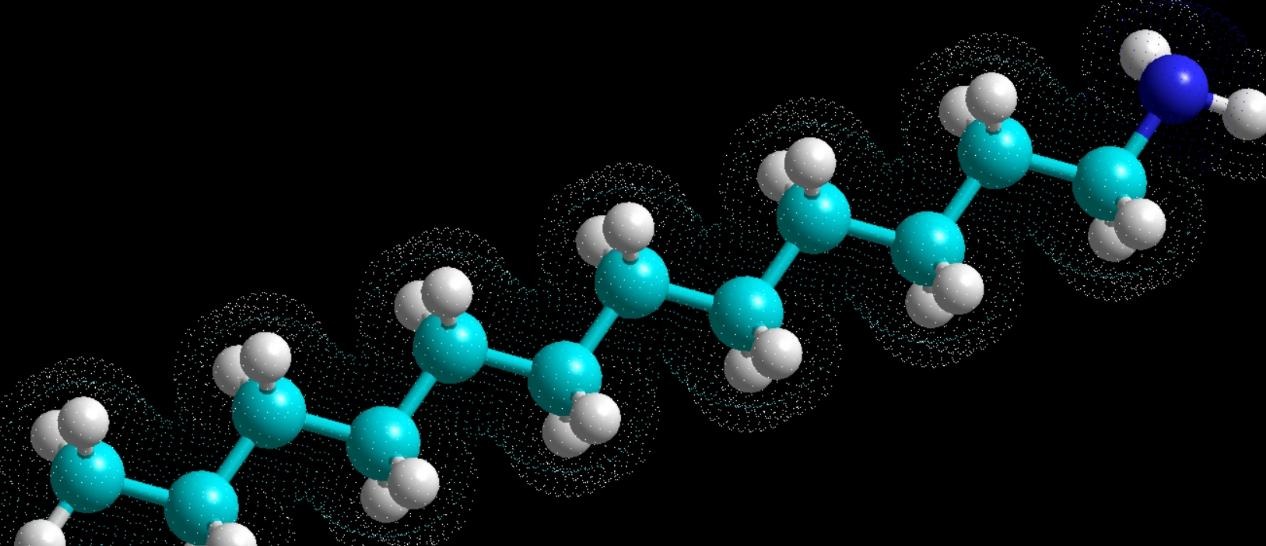
Aliphatic primary amines refer to compounds formed when only one hydrogen atom in an ammonia molecule is substituted by an aliphatic alkyl group. Primary amines have an extensive range of applications. Primary amines and their salts can serve as effective mineral flotation agents, anti-caking agents for chemical fertilizers and explosives, paper waterproofing agents, corrosion inhibitors, lubricant additives, bactericides for the petroleum industry, additives for fuels and gasoline, electronic cleaning agents, emulsifiers, raw materials for organometallic clay production, additives for pigment processing, water treatment agents, molding agents and more. Primary amines can be used to produce quaternary ammonium salt asphalt emulsifiers, which are widely applied in the paving and maintenance of high-grade highways. They can reduce the labor intensity of construction and maintenance and help extend the service life of road surfaces.
Fatty secondary amines refer to compounds formed when two hydrogen atoms of an ammonia molecule are substituted by two identical or different fatty alkyl groups. Secondary amines are generally not used directly; they are mainly raw materials for the production of dialkyl tertiary amines and quaternary ammonium salts. Typical applications include herbicides, stabilizers for dioxane polymers, waterproofing agents, antistatic agents and softeners for fibers, raw materials for aqueous fabric softener dispersions, ingredients for hydrocarbon fuel blends, paper additives, petroleum additives, textile additives and more.
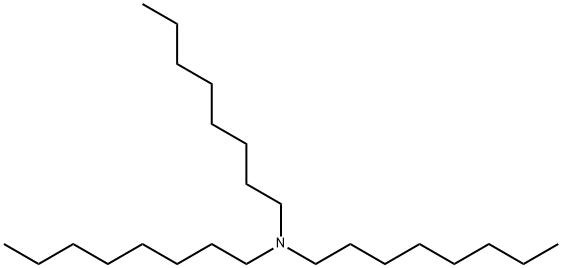
Aliphatic tertiary amines refer to compounds formed when all three hydrogen atoms of an ammonia molecule are fully substituted by aliphatic alkyl groups. Similar to primary amines, tertiary amines have an extremely wide range of applications. They can be directly used in preservatives, fuel oil additives, bactericides, extractants for rare metals, cosmetics production, citric acid manufacturing, polyethylene antistatic agents, polyurethane foam accelerators and coagulants, as well as release agents, anti-blocking agents, processing aids, gloss agents and odor removers in rubber production. In addition, they can also be used to produce cationic surfactants and amphoteric surfactants.
Post time: May-09-2026