

Surfactants function as wetting, dispersing, emulsifying and solubilizing agents in pesticide processing and have become indispensable components of pesticide formulations. They are also commonly referred to as auxiliary agents, emulsifiers, dispersants and adjuvants, which can be compound blends of various surfactants. Currently, pesticide formulations are evolving toward water-based, granular, multi-functional, slow-release, labor-saving and refined products. A host of new high-efficiency, safe, cost-effective and environmentally compatible formulations including microemulsions, aqueous emulsions, suspoemulsions, water-dispersible granules, dry flowables and slow-release formulations are emerging and will dominate the development of pesticide formulations in the 21st century. The demand for surfactants brought by these new pesticide formulations will drive the research, development and production of special-purpose surfactants for pesticides. The development trends of surfactants in agrochemicals over the next few years are as follows:
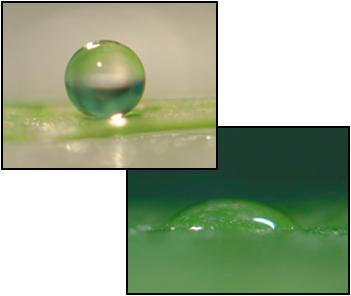
(1) Based on the active characteristics of technical pesticides, suspension concentrates no longer target high active ingredient contents and shift to medium contents instead, while the finished products must be equipped with excellent wetting, spreading and synergistic properties, imposing stricter requirements on surfactants.
(2) Under the premise of ensuring long-term storage stability, emulsion in water formulations aim to drastically reduce the surface tension of spray liquids and endow the products with spreading and moisture-retaining functions. Aqueous pesticide solutions represented by glyphosate are being developed into higher-content products, which drives the further upgrading of salt-forming types and matched wetting and penetrating agents.
(3) The development and popularization of oil-based suspension concentrates have grown rapidly, yet most existing products suffer unstable quality in terms of suspension stability and self-dispersibility, which needs to be addressed as soon as possible.
(4) The development of suspoemulsions is gaining increasing popularity, and novel active ingredient combinations demand surfactants with structures better tailored to their features.
(5) The R&D pace of biopesticides and corresponding formulations including WP, SC and WG is accelerating. Conventional formulations made from protein- and sugar-containing fermentation substrates can no longer match the existing product portfolio of agrochemical surfactants, expediting the need for new surfactant development.
(6) Traditional pesticides with benzene ring skeletons are being phased out at an accelerated rate, and newly commercialized pesticides are mostly heterocyclic compounds. Currently, the proportion of low-melting-point pesticides is declining while that of high-melting-point ones rises; formulations using light aromatic hydrocarbons as solvents are shrinking in quantity alongside ongoing structural shifts in solvent compositions; high-content emulsifiable concentrates and solvent-free emulsifiable concentrates are under intensive development. All these changes pose challenges to the conventional agrochemical surfactant systems derived from benzene-ring-based technical pesticides and light aromatic hydrocarbon solvents, calling for technological innovation in agricultural surfactants.
Post time: Jun-02-2026