

In the fine chemical and surfactant industrial chain, alkyl dimethyl tertiary amines serve as core intermediates connecting upstream and downstream processes. Key properties of downstream products including amine oxides, betaine amphoteric surfactants and cationic quaternary ammonium salts — such as foaming, thickening, emulsification, wetting and bactericidal performance — are fundamentally determined by the carbon chain distribution, purity and quality stability of upstream tertiary amine feedstocks. Slight fluctuations in carbon chain ratio may directly trigger a series of production pain points, such as unstable foam of finished products, system stratification, shortened shelf life and increased by‑products.
Shanghai Qixuan Chemical Technology Co., Ltd. has deep experience in the supply of surfactant raw materials. For customers across daily chemical cleaning, asphalt emulsification, industrial additives, water treatment and other industries, we introduce **DMA246 mixed alkyl dimethyl tertiary amine**. Featuring tightly controlled carbon chain composition and strict impurity management, this product delivers a cost‑effective raw material solution for various surfactant synthesis scenarios.
DMA246 is a composite mixture of dodecyldimethylamine, tetradecyldimethylamine and hexadecyldimethylamine. Its compositional ranges are rigorously controlled: Dodecyldimethylamine (C12DMA, CAS: 112-18-5) accounts for 54.0~62.0%; Dimethyl(tetradecyl)amine (C14DMA, CAS: 112-75-4) accounts for 32.0~38.0%; Hexadecyldimethylamine (C16DMA, CAS: 112-69-6) accounts for 5.0~9.0%. Its total amine value stably stays around 246 mgKOH/g, from which the product designation DMA246 originates.
This product possesses high active tertiary amine content, with primary and secondary amine impurities strictly limited and low moisture content. It effectively reduces the probability of side reactions during customers’ quaternization, oxidation and amphoterization synthesis, and mitigates the adverse impacts of by‑products on the color and odor of downstream finished goods. At ambient temperature, it appears as a colorless transparent oily liquid, insoluble in water but miscible with ethanol and hydrocarbon organic solvents. It facilitates material feeding and pipeline transportation, and adapts to both continuous and batch synthesis reactors.
Many formulators face performance limitations when selecting tertiary amine intermediates with single carbon chains: pure C12 tertiary amine delivers strong foaming but weak thickening effect, while long‑chain C16 tertiary amine offers excellent thickening but insufficient foaming power and poor low‑temperature fluidity. DMA246 adopts a carbon chain combination dominated by C12, supplemented by C14 and a small amount of C16. It skillfully balances foaming capacity, thickening performance and low‑temperature stability, breaking the performance bottlenecks of single‑carbon‑chain tertiary amines and reserving greater adjustment space for formulation development.
In daily chemicals and household cleaning sectors, DMA246 acts as a preferred feedstock for manufacturing amine oxides and alkyl betaine amphoteric surfactants. Amine oxides synthesized via oxidation reaction are widely applied in dishwashing detergents, hard‑surface cleaners, shampoos, body washes and facial cleansers. The C12 fraction endows formulations with outstanding foaming power, generating rich, fine foam and powerful detergency to efficiently remove grease and protein soils. The C14 and minor C16 fractions strengthen system thickening, reduce extra thickener dosage and improve formulation tolerance to hard water.
In mild cleansing systems, amine oxides and betaines derived from DMA246 feature low irritation and good formulation compatibility. They can be compounded with nonionic and anionic surfactants to build mild cleaning systems. Final products resist stratification under low‑temperature storage with minor viscosity fluctuation, meeting stringent shelf‑stability requirements from daily chemical manufacturers. For heavy‑duty grease cleaners for catering kitchens and multi‑purpose hard‑surface cleaners, this system enhances emulsification and dispersion of oil stains while keeping foam controllable to fit diverse end‑use cleaning scenarios.
In road construction materials, DMA246 functions as a key intermediate for asphalt emulsifier synthesis. After quaternization modification, DMA246 yields cationic asphalt emulsifiers suitable for medium‑set and slow‑set asphalt emulsion systems. The mixed C12/C14/C16 carbon chain structure optimizes the hydrophilic‑lipophilic balance (HLB) value of emulsifiers, improves the dispersion stability of asphalt droplets in water, extends asphalt emulsion storage duration and mitigates sedimentation and demulsification risks during storage.
In engineering applications such as cold mix asphalt, slurry seal and micro‑surfacing, emulsifiers derived from DMA246 improve the adhesion between asphalt and aggregates, enhance strength and water damage resistance of formed pavement, and support ambient‑temperature construction to cut construction energy consumption and lower project costs. Compared with asphalt emulsifiers prepared from single‑carbon‑chain tertiary amines, DMA246 derivatives demonstrate more stable emulsion performance under wide temperature variations during construction and broaden the feasible construction window.
Industrial additives and water treatment represent another major application field of DMA246. Quaternary ammonium salts produced by quaternization of DMA246 can be used as fabric softeners, biocides and metal corrosion inhibitors. In textile finishing, quaternized products adsorb onto fiber surfaces, reduce friction between fibers and impart softness and antistatic properties to fabrics. In circulating cooling water and oilfield produced water systems, they suppress microbial growth and form an adsorbed protective film on carbon steel and other metals to retard equipment corrosion.
Furthermore, DMA246 can be applied in the synthesis of mineral flotation agents, rubber release agents and fertilizer anti‑caking agents. Its long alkyl chains deliver favorable interfacial activity to satisfy additive development demands across multiple niche industrial segments.
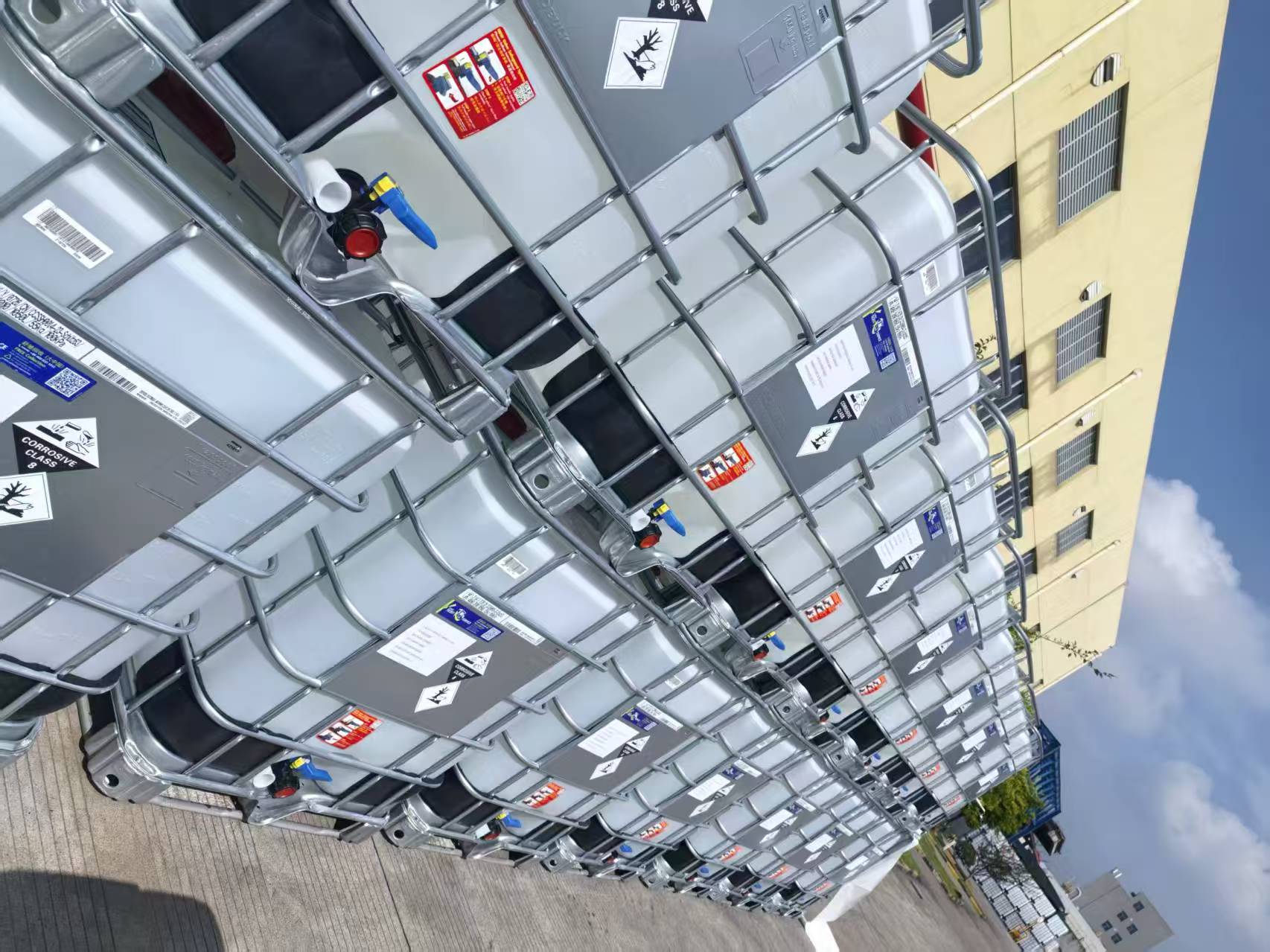
As a raw material supplier, Shanghai Qixuan Chemical Technology fully understands core demands of fine chemical customers: batch‑to‑batch consistency, stable supply and supporting technical services. Every batch of DMA246 is delivered with a full test report. Carbon chain distribution, amine value and impurity indicators are controlled within defined ranges to avoid performance fluctuation of downstream finished products caused by raw material batch differences. Supported by mature supply chains, we provide stable supply in 160 kg iron drums. SDS, TDS and REACH related documentation are available to customers to meet requirements for product registration, safety management and customs declaration.
Our technical team has profound expertise in surfactant technologies. We offer customers technical support for downstream synthesis processes of DMA246, covering process optimization, feed ratio adjustment and reaction condition tuning for amine oxide, betaine and quaternary ammonium salt routes. We help customers shorten new product development cycles, optimize production processes and reduce raw material consumption. Manufacturers of daily chemical formulations, asphalt emulsifiers, industrial additives and water treatment chemicals can develop differentiated products based on DMA246 and build performance advantages amid fierce market competition.
The domestic surfactant industry is continuously advancing toward green and high‑performance development. Downstream end users are raising requirements for raw material purity, batch stability and overall cost. Single‑carbon‑chain traditional tertiary amines show increasingly obvious performance weaknesses in certain composite formulations. In contrast, DMA246, a multi‑carbon blended tertiary amine intermediate, is emerging as a preferred option for many formulators by virtue of balanced performance and broad process adaptability.
DMA246 mixed alkyl dimethyl tertiary amine is not a simple physical blend of different carbon chains. It is an intermediate tailor‑made for downstream surfactant applications. It balances multiple interfacial properties including foaming, thickening, emulsification and wetting, and adapts to diversified sectors including daily chemical cleaning, road construction materials and industrial water treatment. For surfactant manufacturers, a well‑balanced, stable tertiary amine feedstock greatly reduces formulation debugging difficulty and expands product application boundaries.
Shanghai Qixuan Chemical Technology Co., Ltd. will keep focusing on core surfactant raw materials, continuously enrich our product portfolio and adhere to the dual‑driven strategy of stable supply plus technical services. We will work hand in hand with global partners to explore the application potential of tertiary amine intermediates, develop more high‑performance, cost‑effective surfactants and empower high‑quality development of the fine chemical industry.
Post time: Sep-24-2026