

In the production process of metal equipment, lubricants are lubricating media used to reduce the frictional resistance of friction pairs and slow down their wear. Lubricants also play roles such as cooling, cleaning, and preventing pollution for friction pairs. However, the use of lubricants may cause corrosion spots, brown and white pollution spots on the product surface, which not only reduces the appearance quality of the product, but also increases the difficulty of subsequent processing, and even affects the performance of the product.
In order to improve product quality and eliminate stains, it is necessary to study surface degreasing and cleaning processes. The composition and properties of lubricants are very important for surface degreasing and cleaning. The pollution stains formed on metal surfaces can be divided into three categories according to the substances causing the pollution:
(1) Oily pollution – greases and fatty acids;
(2) Water-soluble pollution – organic acids and inorganic acids;
(3) Solid pollution – oxides, particles, dust, etc.
Common methods for degreasing and cleaning metal surfaces are as follows:
1.Wiping method: Generally operated manually, suitable for cleaning complex parts and small-volume production.
2.Scrubbing method: Can clean loosely attached dirt on the surface, suitable for small-volume production.
3.Pickling method: Can clean oxide scales, organic substances, alkali films and corrosion spots on metal surfaces, but has an erosive effect on the surface.
4.Alkali solution cleaning method: Utilizes the saponification effect of alkali solution to remove saponifiable pollutants.
5.Organic solvent cleaning method: Uses the dissolving capacity of organic solvents for oils and greases to remove dirt, with short cleaning time and no corrosion to metals, but most organic solvents are toxic.
6.Ultrasonic cleaning method: Converts the sound energy of the ultrasonic vibration source into mechanical vibration through a transducer, radiates the ultrasonic waves into the cleaning fluid in the tank through the wall of the cleaning tank, so that the micro-bubbles in the liquid in the tank can maintain vibration under the action of sound waves, causing fatigue damage to the dirt layer and thus peeling it off.
7.Emulsification cleaning method, electrolytic cleaning method, etc.
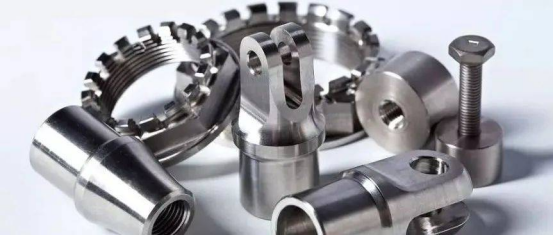
Common Usage Methods of Environmental Protection Industrial Cleaning Agents
1.Room temperature cleaning or bubbling: Appropriately extend the cleaning time, gently shake the cleaning frame during cleaning to ensure full contact between the workpiece and the cleaning liquid. After cleaning, rinse thoroughly with tap water and then dry.
2.Spraying: Prepare the cleaning agent according to the required concentration, then place the items to be cleaned in the spray machine.
3.Hot soaking: Heat the prepared water-based cleaning agent with a certain concentration to 70-80°C according to the actual situation. After cleaning for 5-15 minutes (properly shaking the workpiece during cleaning can achieve a better cleaning effect), rinse thoroughly with tap water and then dry.
4.Manual wiping: Generally, dilute the original solution to 10-20 times (depending on specific conditions), then use a cloth soaked in the diluted cleaning agent for wiping. It is better to wear gloves during wiping. Compared with automatic cleaning by a cleaning machine, manual wiping requires a relatively higher concentration of the cleaning agent.
5.Ultrasonic cleaning: Heat the diluted cleaning agent to 55-65°C using an ultrasonic machine, clean for 3-10 minutes, then rinse thoroughly with tap water and dry.
Post time: Mar-06-2026