

Mixing immiscible substances makes for clever chemical reactions! If you have ever tried mixing them, you know oil and water do not blend easily. However, with the help of emulsifiers and solubilizers, this seemingly impossible feat can be achieved—but are they two peas in a pod? Almost! Each plays a truly unique role. Buckle up, science enthusiasts, and get ready to explore the differences between emulsifiers and solubilizers.
What Is an Emulsifier?
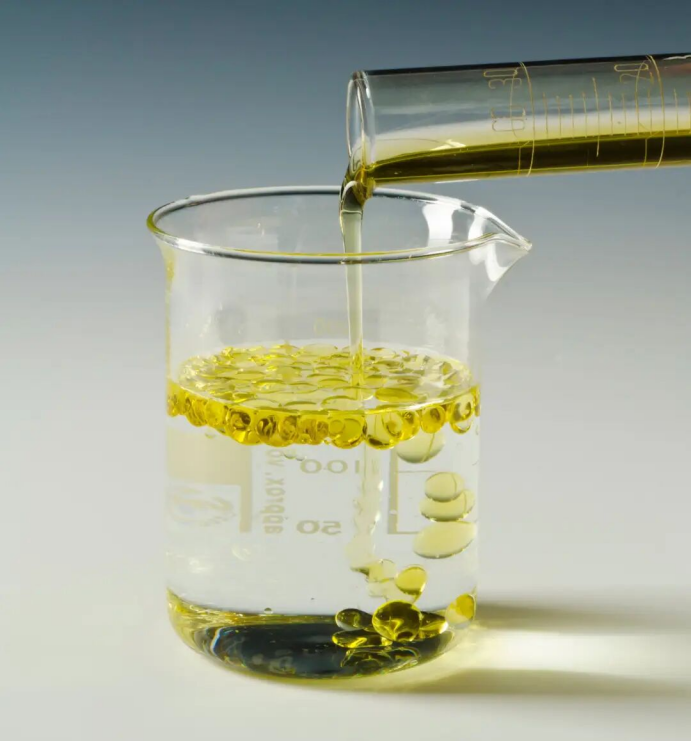
Emulsifiers act as matchmakers in the molecular world, skillfully binding oil molecules and water molecules that normally prefer to stay apart. They work by lowering the surface tension between liquids, creating a stable mixture known as an emulsion. At the molecular level, emulsifiers are amphipathic—they feature one hydrophilic (water-loving) end and another hydrophobic (oil-loving) end.
This duality allows them to wedge themselves between oil and water, forming a protective barrier around liquid droplets and preventing separation. Common emulsifiers you may be familiar with include lecithin found in egg yolks, as well as popular soy or sunflower lecithin widely used in chocolate and baked goods to achieve a perfectly smooth texture.
What Is a Solubilizer?
Though often mistaken for emulsifiers, solubilizers perform a distinctly different role in the dance of dissolution. These agents excel at interweaving stubborn oil and water to form a clear solution with no visible separation, even to the sharpest eye. Essentially, solubilizers make oil appear to vanish completely within water.
They accomplish this by surrounding oil particles with a hydrophilic outer shell, essentially disguising them within a watery layer so they can dissolve without a trace. This process produces a solution rather than an emulsion. Solubilizers can be found in a wide range of products, from facial cleansers that remove oily makeup to essential oil diffusers that release fragrance without leaving residues; examples include polysorbates, alcohols and ethoxylated compounds.
What Are the Differences Between Them?
The key distinction between emulsifiers and solubilizers lies in the end result of their function. Emulsifiers help create new textures and consistencies, as evidenced by stable emulsions formed when oil droplets are suspended throughout a water base. The outcome is a product that appears cloudy, and this happens because it is filled with tiny oil droplets suspended evenly within the surrounding water.
In contrast, solubilizers make oil disappear entirely into water, serving a vital function in products where transparency is paramount. They sneak oil into water, yielding crystal-clear solutions.
Post time: Aug-04-2026