

Aliphatic amines refer to a large class of organic amine compounds with carbon chain lengths ranging from C8 to C22. Like common amines, they are divided into four categories: primary amines, secondary amines, tertiary amines and polyamines. Primary, secondary and tertiary amines are classified according to the number of hydrogen atoms in ammonia substituted by alkyl groups.
Aliphatic amines are organic derivatives of ammonia. Short-chain aliphatic amines with C8-C10 carbon chains have a certain solubility in water, while long-chain aliphatic amines are generally insoluble in water. They exist in liquid or solid states at room temperature and are alkaline. As organic bases, they can irritate and corrode the skin and mucous membranes.
They are mainly produced through the following reactions: fatty alcohols react with dimethylamine to generate monoalkyldimethyl tertiary amines; fatty alcohols react with monomethylamine to produce dialkylmonomethyl tertiary amines; fatty alcohols react with ammonia to form trialkyl tertiary amines.
First, fatty acids react with ammonia to produce fatty nitriles, and fatty nitriles undergo hydrogenation to form fatty primary or secondary amines. Primary or secondary amines are subjected to hydro-methylation to yield tertiary amines. Primary amines can form diamines via cyanoethylation followed by hydrogenation; diamines can further produce triamines through cyanoethylation and hydrogenation, and triamines can be converted to tetraamines by repeated cyanoethylation and hydrogenation.
Direct Applications
Primary amines can be used as corrosion inhibitors, lubricants, release agents, oil additives, pigment processing additives, thickeners, wetting agents, anti-dusting agents for chemical fertilizers, engine oil additives, anti-caking agents for chemical fertilizers, film-forming agents, flotation agents, gear lubricants, water repellents, waterproof additives, wax emulsions and other products.
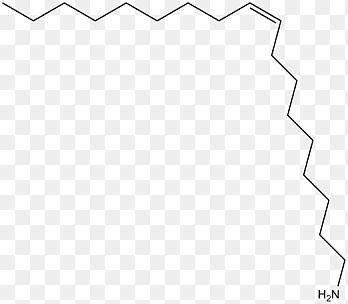
Saturated high-carbon primary amines such as octadecylamine serve as release agents for hard rubber and polyurethane foams. Dodecylamine is applied in the regeneration of natural and synthetic rubbers, as surfactants in electroless tin plating solutions, and for producing malt derivatives via reductive amination of isomaltose. Oleylamine is utilized as an additive for diesel fuels.
Production of Cationic Surfactants
Primary amines and their salts act as efficient mineral flotation agents, anti-caking agents for chemical fertilizers or explosives, paper waterproofing agents, corrosion inhibitors, lubricant additives, bactericides for the petroleum industry, fuel and gasoline additives, electronic cleaning agents, emulsifiers, raw materials for organometallic clay production, pigment processing additives, water treatment chemicals and film-forming agents. Primary amines can be used to synthesize quaternary ammonium salt asphalt emulsifiers, which are widely adopted in the paving and maintenance of high-grade highways. These emulsifiers reduce labor intensity during construction and maintenance and help extend the service life of road surfaces.
Production of Nonionic Surfactants
Adducts formed by the reaction of aliphatic primary amines with ethylene oxide are mainly used as antistatic agents in the plastics industry. Ethoxylated amines are insoluble in plastics and thus migrate to partial plastic surfaces. Once reaching the surface, ethoxylated amines fully absorb moisture from the atmosphere, rendering the plastic surface antistatic.
Production of Amphoteric Surfactants
Dodecylamine reacts with methyl acrylate, followed by saponification and neutralization to produce N-dodecyl-β-alanine. Surfactants of this type have the following properties: their aqueous solutions are pale or colorless transparent liquids, soluble in water or ethanol, readily biodegradable, resistant to hard water, low in skin irritation and low in toxicity. Their applications include foaming agents, emulsifiers, corrosion inhibitors, liquid detergents, shampoos, hair conditioners, softeners, antistatic agents and more.
Post time: Jun-16-2026