

In industrial cleaning, foam not only impairs detergency but also makes rinsing difficult, tends to leave residues, and may even overflow from cleaning equipment, resulting in waste. Additionally, foam can strip surfactants from the cleaning liquid phase. Therefore, low-foam cleaning products are required to achieve optimal cleaning performance.
The generation and stability of foam in industrial cleaning are affected by various factors, such as the structure of surfactants, other components in cleaning solutions, pH values and electrolytes, temperature, water hardness, oil contaminants, and cleaning methods. Therefore, low-foam surfactants refer to surfactants that produce no foam or unstable foam which dissipates rapidly under service conditions.
Performance Characteristics of Low-Foam Surfactants
Acid and Alkali Resistance: Under normal conditions, they can be regarded as acid and alkali resistant. In particular, alkyl-capped alcohol ethers can remain stable for a long time under high-temperature, strong acid and strong alkali conditions without changes to their internal structures.
Surface Activity: Restricted by the molecular structure, the polarity difference between hydrophilic groups and lipophilic groups in the amphiphilic structure of surfactants is significantly reduced.
Reduced Cloud Point: Due to the relatively increased lipophilic groups in the structure, low-foaming nonionic surfactants have a relatively low cloud point.
Lowered Freezing Point: As the hydrophilic ends are blocked by lipophilic or relatively lipophilic groups, the intermolecular force is weakened, resulting in a lower freezing point of the product. This property facilitates the application of such products.
Weakened Gelation Tendency: Such products show a greatly reduced tendency to form gels in water, which is highly beneficial for product formulation.
Application of Low-Foam Surfactants in Industrial Cleaning
Tableware Pre-cleaning: It generally refers to pre-washing tableware before it is put into the dishwasher.
Cleaning-in-Place: It mainly refers to the cleaning process during food production and processing. In the cleaning process, the primary function of surfactants is wetting. Meanwhile, the surfactants adopted in cleaning products are low-foam ones with defoaming and foam-inhibiting properties, which ensure the smooth progress of cleaning operations.
Recycled Beverage Bottle Cleaning: It focuses on the cleaning of recycled beer bottles.
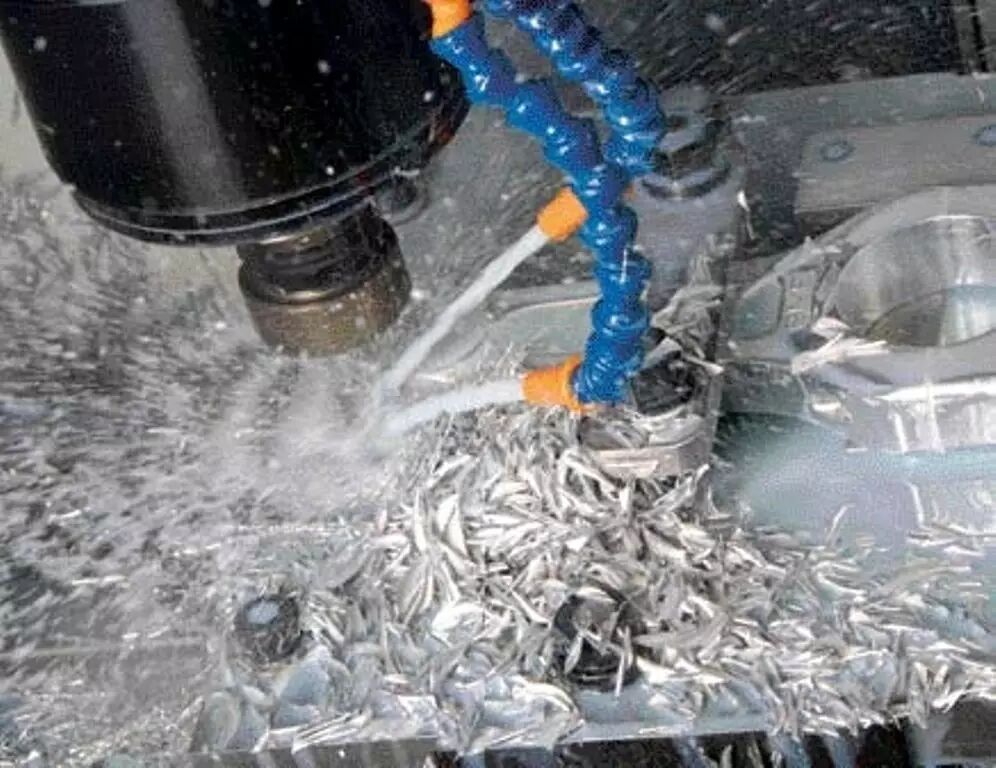
Metal Cleaning: In metal cleaning, surfactants not only perform functions of wetting, defoaming and foam inhibition, but also need to deliver strong detergency. In addition, oil stains may lead to excessive foam generation in the system as cleaning proceeds. Therefore, surfactants are required to possess excellent detergency, feature low foam by themselves, and inhibit foam caused by oil contaminants.
Post time: Apr-28-2026